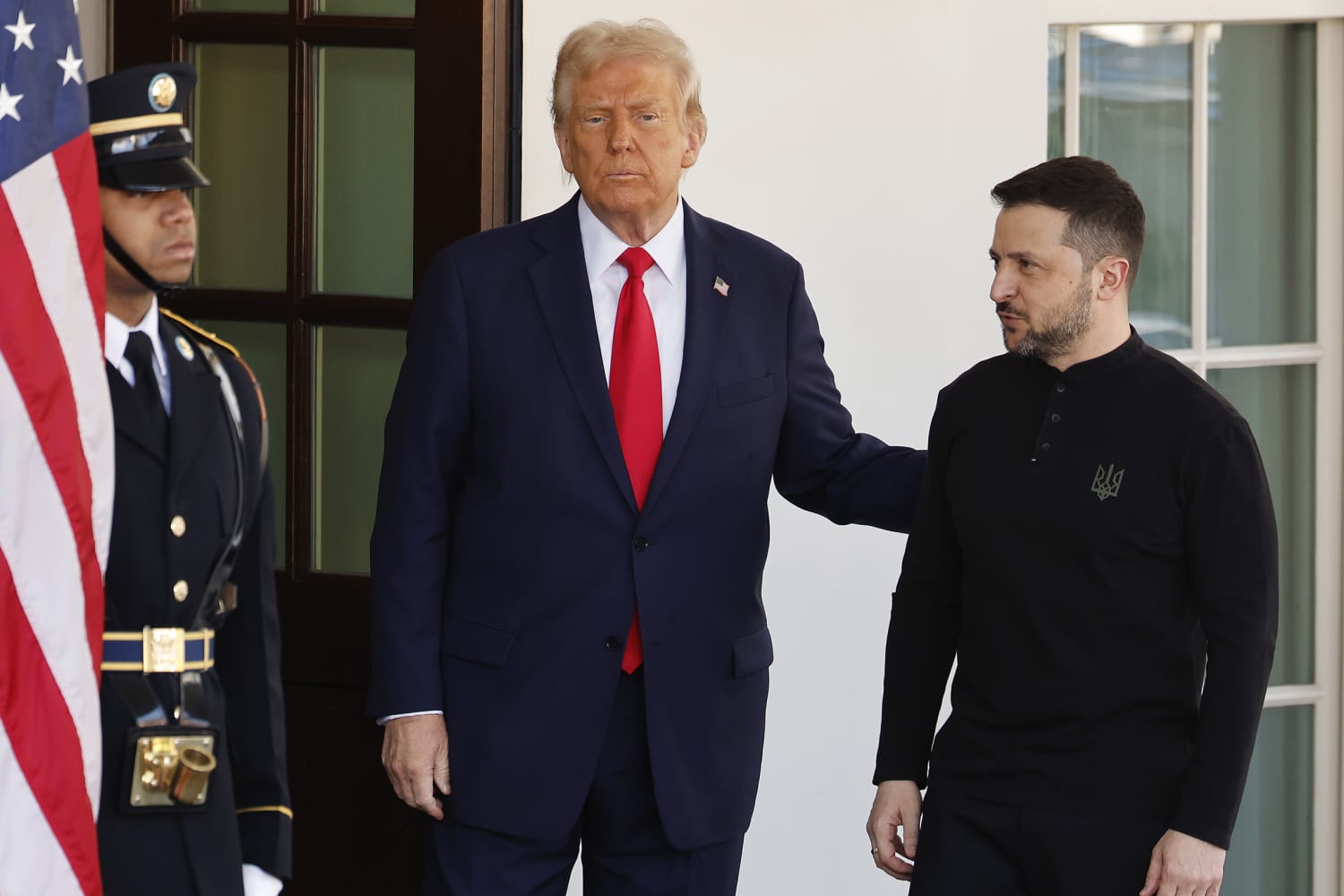
Recent developments in diplomatic efforts surrounding the Ukraine conflict have revealed significant changes in the negotiation landscape. The apparent exclusion of Ukrainian leadership from certain high-level discussions has raised questions about the evolving power dynamics in international efforts to resolve the ongoing crisis.
Observers note that current diplomatic maneuvers appear to favor Russian strategic interests, with former U.S. President Donald Trump’s recent statements and actions being interpreted by some analysts as effectively strengthening Moscow’s position. This shift comes at a delicate moment in the protracted conflict, as military operations continue along multiple fronts with no clear resolution in sight.
The situation presents complex challenges for Western allies who have consistently emphasized the principle of “nothing about Ukraine without Ukraine” in peace negotiations. Reports suggest that backchannel communications and informal discussions have increased in recent weeks, often occurring without direct participation from Kyiv’s representatives. This development has caused concern among Ukraine’s supporters, who worry about potential compromises being considered without proper consultation with the nation most affected by the conflict.
Political analysts point to several factors contributing to this diplomatic realignment. Changing political winds in Western capitals, particularly the upcoming U.S. elections, have introduced new variables into the equation. The potential return of Trump to the political forefront appears to have altered the calculus of various stakeholders, with some parties possibly seeking to position themselves advantageously in anticipation of possible policy shifts.
The Ukrainian government maintains its commitment to previously stated objectives, including territorial integrity and sovereignty. However, the current diplomatic environment suggests that international support may be becoming more conditional and subject to negotiation. This comes as military aid packages face increasing scrutiny in several Western legislatures, where debates about the duration and extent of financial commitments to Ukraine have grown more contentious.
Experts in international relations highlight the risks of marginalizing Ukraine from critical discussions about its own future. History has shown that peace agreements negotiated without meaningful participation from all primary parties often prove unstable in the long term. The current approach risks undermining the legitimacy of any potential settlement and could potentially lead to renewed conflict if the terms prove unacceptable to Kyiv.
Economic considerations also factor into the evolving situation. The prolonged conflict has strained global energy markets and food supplies, creating pressure on political leaders to seek resolutions that might prioritize short-term stability over comprehensive solutions. This economic dimension adds complexity to an already challenging diplomatic puzzle.
As the situation develops, key questions remain about how the balance between military realities and diplomatic possibilities will be managed. The coming months may prove decisive in determining whether current negotiations can produce a sustainable path forward or whether the exclusion of Ukrainian voices from critical discussions will ultimately undermine prospects for lasting peace.
The global community is keeping a close watch on these events, understanding that the results will have far-reaching effects not just for Ukraine but also for the framework of international security and the global order based on rules. The manner in which Western countries handle this sensitive stage could establish key precedents for addressing similar conflicts moving forward.
For Ukraine, the challenge remains how to maintain its strategic position and protect its fundamental interests in a diplomatic environment that appears to be shifting around it. The nation’s leadership faces difficult decisions about when to engage with emerging negotiation frameworks and when to insist on its essential role in determining its own future.
As different powers arrange their positions in this intricate geopolitical setting, the core values of sovereignty and self-determination that have influenced global reactions to the conflict since it started are now encountering their toughest challenge. The results of this diplomatic interaction could potentially decide not only Ukraine’s future but also the trustworthiness of international bodies and the steadiness of the worldwide order in the forthcoming years.