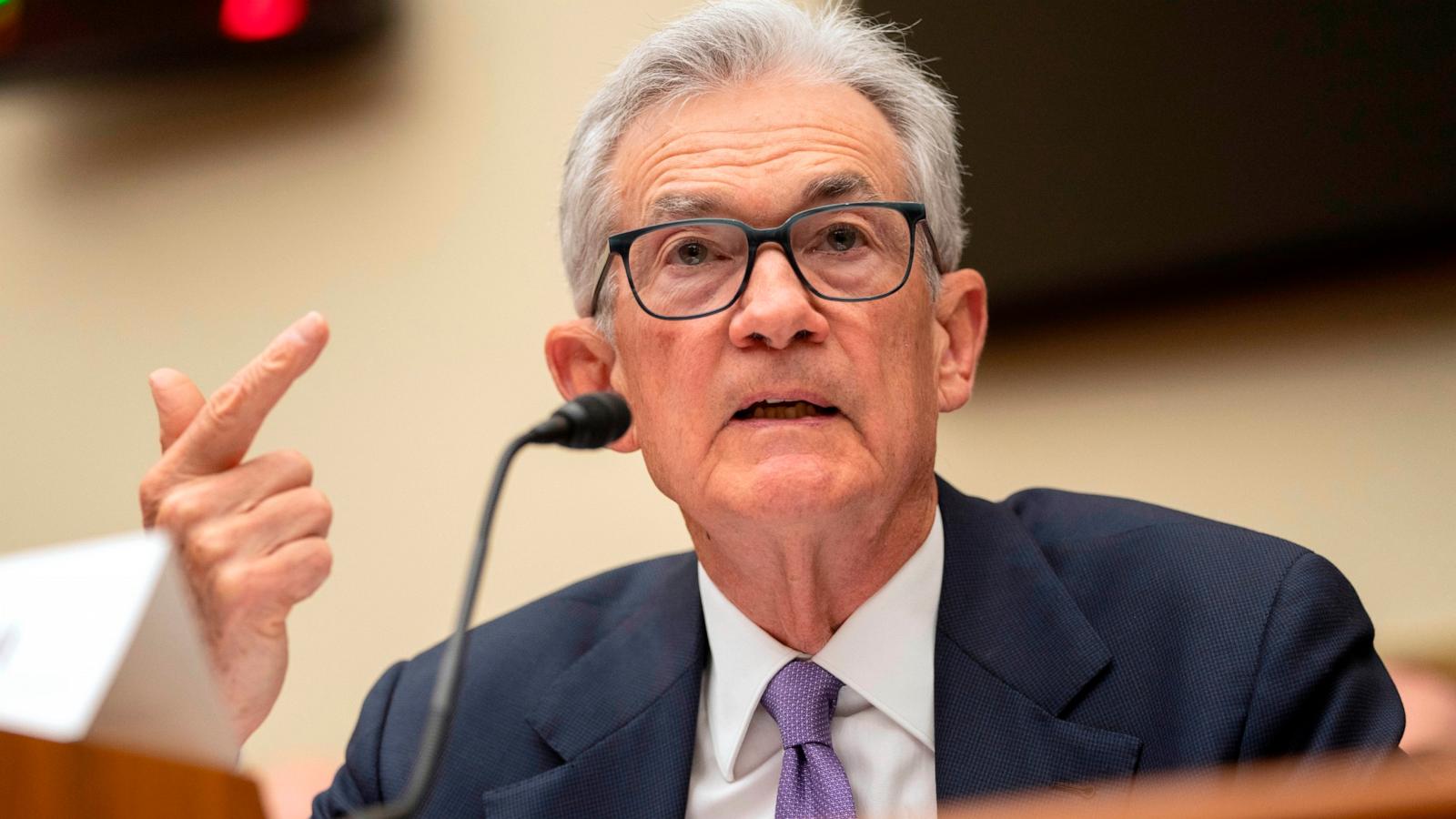
A leading figure at the central bank has indicated a willingness to reduce interest rates if economic data continues to reflect a slowdown in the employment sector. While the current monetary policy remains cautious due to persistent inflationary concerns, recent indicators suggest that the labor market’s resilience may be weakening—an important factor that could influence the next policy decisions.
During a recent economic forum, the bank representative highlighted the significance of closely observing labor patterns, mentioning that although job growth continues to be positive, the speed seems to be slowing down. Unemployment rates, despite staying relatively low, have experienced slight rises in certain areas, and salary increases are starting to slow. These patterns might indicate a more extensive change in economic circumstances, suggesting a possible alteration in monetary policy.
Interest rates have been kept high to tackle inflation, but they might be lowered if the central bank assesses that economic pressures are moving from overheating to stagnation. The central bank aims for both price stability and full employment, so indications of stress in the employment sector might lead to a relaxation of financial conditions.
Throughout the last year, the central bank has consistently aimed to control inflation by primarily utilizing interest rate increases to mitigate consumer expenditure and alleviate price escalation. Nevertheless, as inflation begins to stabilize and economic growth forecasts are adjusted downwards, the emphasis is slowly shifting back to labor market stability. Experts have been on the lookout for any changes in messaging that might indicate a more lenient policy direction, and recent remarks from central bank officials could signify the initial phases of this transition.
Still, the path to any potential rate cuts remains contingent on further data. The central bank is unlikely to make significant moves based on short-term fluctuations and instead relies on sustained trends across various economic indicators. These include not only employment figures but also business investment, consumer confidence, and inflation expectations. Any decision to ease interest rates would be framed within the broader context of ensuring long-term economic stability rather than reacting to isolated data points.
Some economists argue that the recent cooling in the labor market may be a natural correction following the post-pandemic hiring surge, rather than a signal of deeper economic trouble. Others warn that weakening demand for labor, if left unaddressed, could lead to higher unemployment and reduced household spending—factors that might deepen any downturn.
The central bank’s approach has been described as data-driven and flexible. Officials have consistently communicated their intention to remain responsive to economic conditions rather than commit to a predetermined path. This flexibility allows policymakers to weigh multiple outcomes and avoid overcorrection, which could either stifle growth or allow inflation to resurge.
Participants in the market are closely monitoring upcoming employment reports and any updates to existing data, as these can greatly impact sentiment and forecasts. Financial markets often react swiftly to changes in interest rate policy, influencing everything from mortgage rates and personal loans to corporate financing and currency exchange rates. Consequently, a possible reduction in rates could have far-reaching effects throughout the economy.
The effects of altering monetary policy reach far beyond the national economy. Global investors, trading allies, and overseas central banks closely observe the cues from leading financial entities, since adjustments in interest rates can affect worldwide capital movements and currency rates. Should the central bank adopt a more lenient stance while others retain stricter policies, exchange rate unpredictability and trade disparities might enter the larger conversation.
Consumer groups and labor supporters are pleased with the potential for a decrease in interest rates, asserting that elevated rates unduly impact working-class families and small enterprises. They point out that credit conditions have become more restrictive, hindering access to loans for homebuyers, entrepreneurs, and regular consumers. They argue that lowering borrowing expenses could provide essential relief without jeopardizing the advances achieved in managing inflation.
Conversely, several financial analysts warn that a rapid reduction of rates might undo the progress achieved in combating inflation, especially if there is a resurgence in wage increases or ongoing supply-side challenges. It is crucial for the central bank to find a careful equilibrium—boosting employment without reviving the same inflationary forces it has diligently sought to control.
In the coming months, a lot will hinge on the way the data changes. If job figures keep declining, the case for reducing rates might gain momentum. On the other hand, if inflation stays persistent or international economic dangers grow, the central bank might decide to maintain its current path.
Currently, central bank leaders express a message centered on cautious monitoring and preparedness. The recognition that interest rates might decrease should labor market difficulties intensify offers reassurance to financial markets and indicates that policymakers are mindful of the challenges confronting both employees and companies. This practical and adaptable approach might contribute to sustaining stability as the economy progresses through a phase of uncertainty and change.