Families of hostages held in Gaza have issued an emotional appeal for citizens across Israel to join a nationwide strike, aiming to force urgent government action for the safe return of their loved ones. Their call comes amid growing signs that Israel is preparing to intensify its military campaign, heightening fears that time is running out for those in captivity.
The request, presented through media briefings, interviews, and a synchronized social media campaign, forms part of a broader local effort that has consistently picked up speed following the intensification of conflicts in October. Families of the detainees report that they have utilized more discreet diplomatic routes and are currently opting for prominent public disturbances in an attempt to urge both national authorities and global negotiators to focus on discussions for a prisoner liberation.
For weeks, hostage families have maintained a visible presence in public squares, outside government offices, and at military bases, often holding photos of the missing and wearing shirts emblazoned with their names. Their plea for a strike is intended to signal that the fate of the hostages is not a side issue in the conflict but a national emergency that demands collective action. Organizers have encouraged workers, students, and business owners to join by closing shops, halting services, and taking to the streets in coordinated demonstrations.
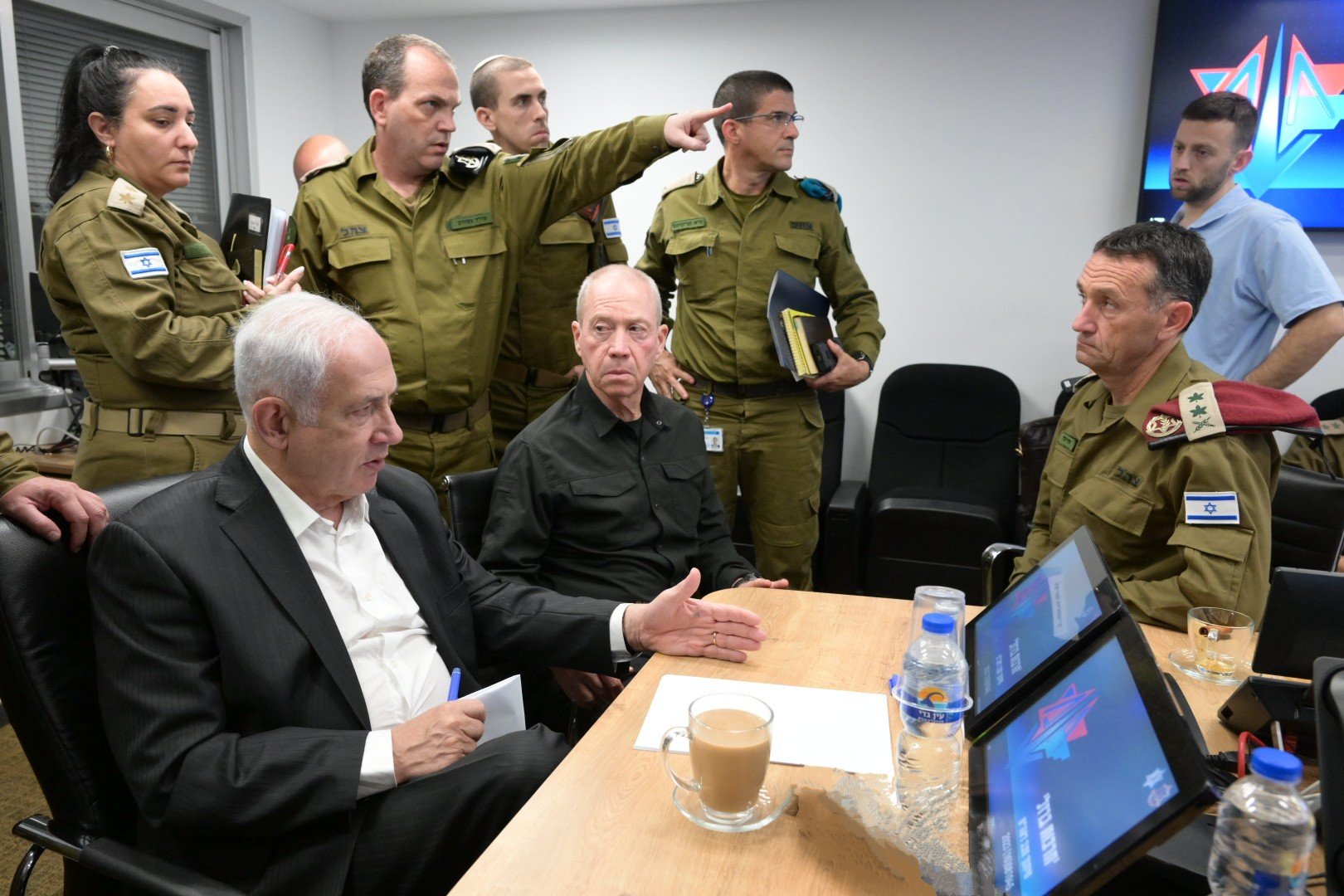
Israel’s government, on the other hand, is weighing the increasing public demand against its military goals. Top officials have alluded to a forthcoming intensification of activities in Gaza, stressing the importance of disabling armed factions and breaking down their operational strength. Experts believe this escalation might include more frequent air assaults, ground offensives, or specific attacks on alleged hideouts. Opponents of this strategy contend that increasing military action could further jeopardize the hostages by narrowing diplomatic channels and inciting counterattacks from militant groups.
Military commanders have been candid about the difficulty of extracting captives safely in the midst of active combat. Rescue operations in dense urban environments—especially those where armed groups use civilian areas for cover—are perilous, requiring precision intelligence and a level of cooperation that is difficult to achieve during heavy bombardment. This reality has left many families feeling caught in a race against time, fearing that each passing day reduces the chances of a peaceful resolution.
Public opinion in Israel is sharply divided over the government’s strategy. Some citizens argue that military pressure is the only language armed groups understand and that weakening them is the surest path to securing hostage releases. Others counter that sustained force could close off negotiation channels entirely, making a deal impossible. Within this debate, the families’ strike call is being framed not as a partisan stance but as an urgent humanitarian plea—one that they believe transcends political divisions.
Internationally, the hostage crisis has drawn the attention of governments and advocacy groups, many of whom have offered to mediate or assist in talks. The United States, Egypt, and Qatar have each played roles in previous negotiations between Israel and Gaza-based groups, though such efforts are often hampered by shifting battlefield dynamics and mistrust on both sides. Human rights organizations have also urged compliance with international humanitarian law, emphasizing that the hostages’ safety must remain a priority regardless of military developments.
The financial impacts of a countrywide strike are understood by both parties involved in the discussion. A synchronized stoppage of business operations could interrupt supply chains, decrease tax income, and create cascading effects in crucial areas such as transportation, technology, and retail. Proponents of the strike claim that this economic strain is essential to compel governmental measures, whereas critics are concerned it might undermine Israel’s strength during a pivotal phase of the conflict.
During the last month, tensions have increased not only at the Gaza border, but also in the northern part of Israel, where clashes with Hezbollah have become more frequent. It is said that military strategists are planning for potential simultaneous conflicts on multiple fronts, adding complexity to the hostage crisis. In this precarious atmosphere, even thoughtfully executed rescue missions could lead to more extensive conflicts.
The emotional toll on the hostage families is immeasurable. Many have spoken publicly about sleepless nights, unanswered calls to officials, and the constant fear that they may never see their loved ones again. The strike call, they say, is not merely a political tactic but an act of desperation—a final attempt to rally national unity around a shared mission before events on the battlefield take an irreversible turn.
Whether the strike will succeed in shifting the government’s course remains uncertain. What is clear is that the hostage crisis has become a defining test for Israeli leadership, one that touches on the nation’s values, strategic priorities, and capacity to balance force with diplomacy. As preparations for military escalation move forward, the voices of the families continue to echo across the country, urging the nation to pause, take stock, and act before it is too late.
The next few days may show if the strike gathers sufficient momentum to lead to significant disturbances and if these disturbances will necessitate an adjustment in military or diplomatic tactics. Meanwhile, the nation remains in a delicate balance between two pressing needs: protecting itself from hostile attacks and ensuring the safety of individuals taken far from their homeland. For those with loved ones held captive, each passing hour without a resolution feels like a precious moment lost—one they can ill afford to waste.