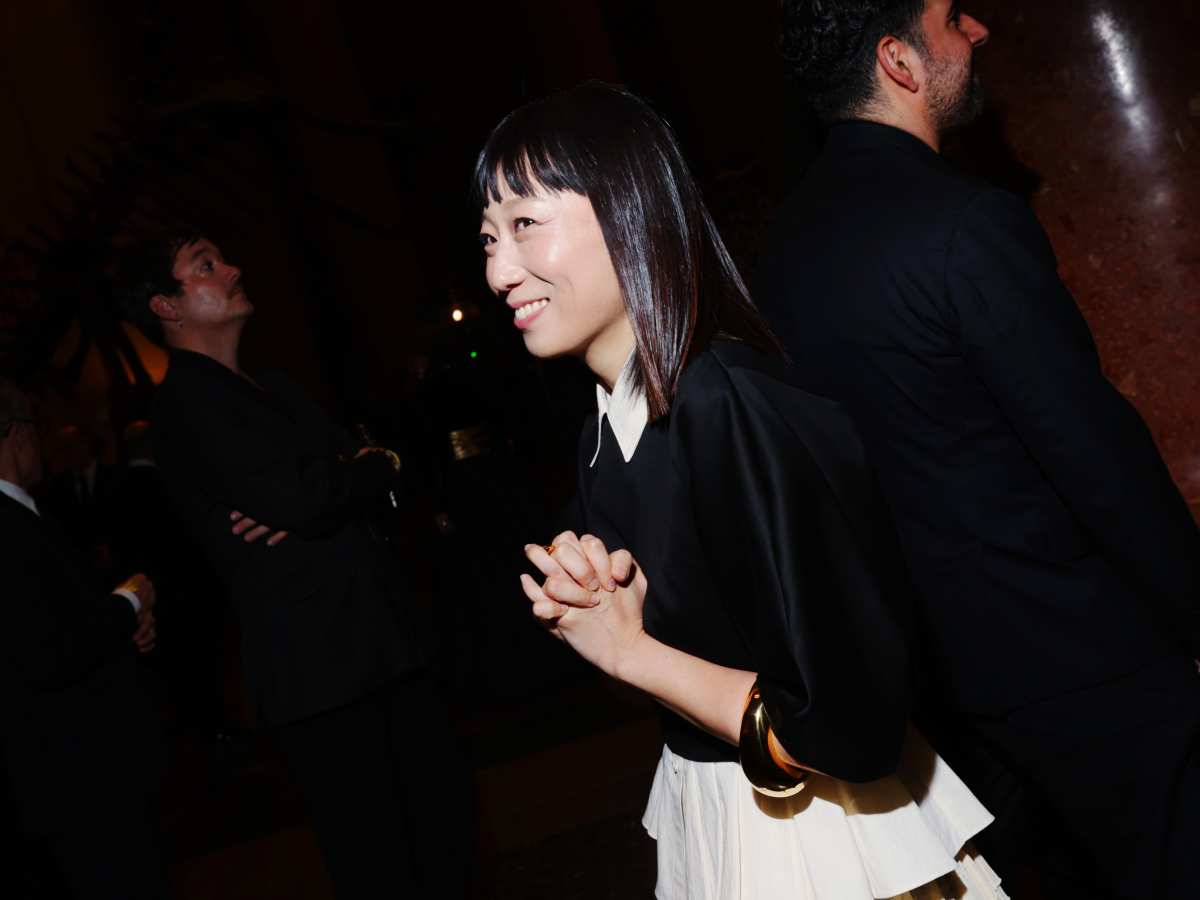
Sarah Burton, renowned for her transformative work at Alexander McQueen, is embarking on an exciting new chapter with Givenchy, bringing her distinctive vision and creative energy to one of the most storied names in fashion. The celebrated designer, whose career has been marked by innovation, craftsmanship, and an unwavering dedication to artistic excellence, has ignited fresh interest in the fashion world as she steps into this new role.
Burton has become a key figure in modern fashion history, known for designing the legendary wedding dress of the Princess of Wales. At McQueen, her era was characterized by a harmonious blend of daring innovation and precise craftsmanship, effortlessly merging dramatic aspects with sophisticated grace. As she now leads Givenchy, both fans and fashion experts are keen to observe how her creative vision will influence the brand’s trajectory.
Givenchy, founded by Hubert de Givenchy in 1952, has long been celebrated for its timeless sophistication and Parisian charm. Over the decades, it has dressed some of the world’s most iconic figures, including Audrey Hepburn, whose collaboration with the house defined an era of chic minimalism. In recent years, the brand has undergone various creative shifts as different designers have left their mark, each bringing new perspectives while striving to honor the house’s rich legacy.
Burton’s introduction at Givenchy marks a renewed emphasis on artistry and narrative-building, two characteristics that have characterized her professional journey. Her skill in deriving influence from historical contexts, the natural world, and personal experiences enables her to design works that connect aesthetically and emotionally. At the core of her creations is a dedication to precision, with every piece showcasing a profound grasp of structure, texture, and shape.
The fashion world’s anticipation surrounding Burton’s new work for Givenchy stems from her unique approach to design. Rather than relying solely on trend-driven concepts, she has consistently demonstrated an ability to craft collections that feel timeless yet relevant, dramatic yet wearable. Her pieces often carry an undercurrent of romanticism, interwoven with modernity and a hint of rebellion—a combination that has captivated audiences for years.
As Burton begins her endeavor of crafting Givenchy’s upcoming collections, observers in the fashion world anticipate a meticulous reimagining of the brand’s distinctive features. This could involve polished tailoring, opulent materials, and gentle allusions to the house’s legacy, all envisioned through Burton’s inventive perspective. Her previous lines have displayed an impressive variety of influences, ranging from otherworldly dresses inspired by the natural world to bold, architectural shapes that question traditional beauty standards.
Burton’s focus on eco-friendliness and moral manufacturing is another factor that could impact her projects at Givenchy. The fashion world has, in recent times, been under mounting examination concerning ecological effects and labor standards, causing numerous designers to reconsider their methods. Burton has expressed the significance of maintaining conventional artisanship while adopting contemporary methods that diminish waste and support ethical procurement.
The challenge of leading a heritage brand like Givenchy lies in balancing innovation with respect for history. Burton’s deep appreciation for fashion’s past positions her well for this task. She is known for weaving narratives into her designs, often drawing from literature, art, and personal experience to imbue her collections with depth and meaning. This storytelling quality could serve to strengthen Givenchy’s identity in an era where consumers seek authenticity and emotional connection with the brands they support.
Burton’s move to Givenchy also represents a notable moment for female leadership in the fashion industry. While women have long been influential as muses, models, and tastemakers, the highest creative positions at major fashion houses have often been dominated by men. Burton’s appointment underscores the growing recognition of female designers’ contributions and the importance of diverse voices in shaping the future of fashion.
The initial excitement about Burton’s introduction at Givenchy stems not only from her renowned track record but also from a clear interest in how she will transform the brand’s style. Previous creative leads have made diverse marks on Givenchy—some focusing on urban wear, others favoring haute couture—but Burton’s history implies a shift back to artistic craftsmanship and lyrical creativity. Her designs have consistently honored the blend of art and fashion, and it is anticipated that this perspective will shape her approach for the house.
Industry experts expect that Burton will bring an emotional depth to Givenchy’s creations, similar to what made her tenure at McQueen so cherished. Her fashion pieces frequently narrate tales of resilience, change, and the allure in flaws—stories that resonate profoundly with people who look for more than just decoration. The skill to express feelings through textiles and shapes defines her artistry and might invigorate Givenchy’s artistic direction.
Beyond the catwalk, Burton’s impact is expected to reach Givenchy’s accessories, such as purses, shoes, and jewelry. These segments are vital for the brand’s financial achievement, and her skill in combining creativity with practicality might introduce new vitality into these collections. By designing items that attract fashion enthusiasts as well as a wider public, Burton could enhance Givenchy’s market standing while preserving its status.
Her entry into Givenchy aligns with a time of change within the high-end fashion industry. The digital shift, evolving customer tastes, and a stronger focus on sustainability are altering how brands function and engage with their audience. Burton’s considerate and people-oriented strategy equips her to manage these shifts while maintaining the brand’s core identity.
Fashion enthusiasts and keen observers are eagerly anticipating Burton’s debut complete collection for Givenchy. The presentation of her creations is set to signal the start of a fresh era, potentially reshaping the brand’s role in the fashion world. The task ahead is substantial, yet Burton’s history indicates that she is well-equipped to tackle it with inventiveness, sophistication, and foresight.
The collaboration between Sarah Burton and Givenchy stands as a testament to the enduring power of design to inspire, provoke, and transform. As she brings her distinctive artistry to this historic house, the fashion world eagerly awaits the stories she will tell, the beauty she will create, and the legacy she will help shape for generations to come.


:max_bytes(150000):strip_icc()/VWH-GettyImages-2168531818-3e0c9a6c46fe445ab049a4daf639baa5.jpg "How To Incorporate Glycolic Acid Into Your Skincare Routine, According To The Experts")