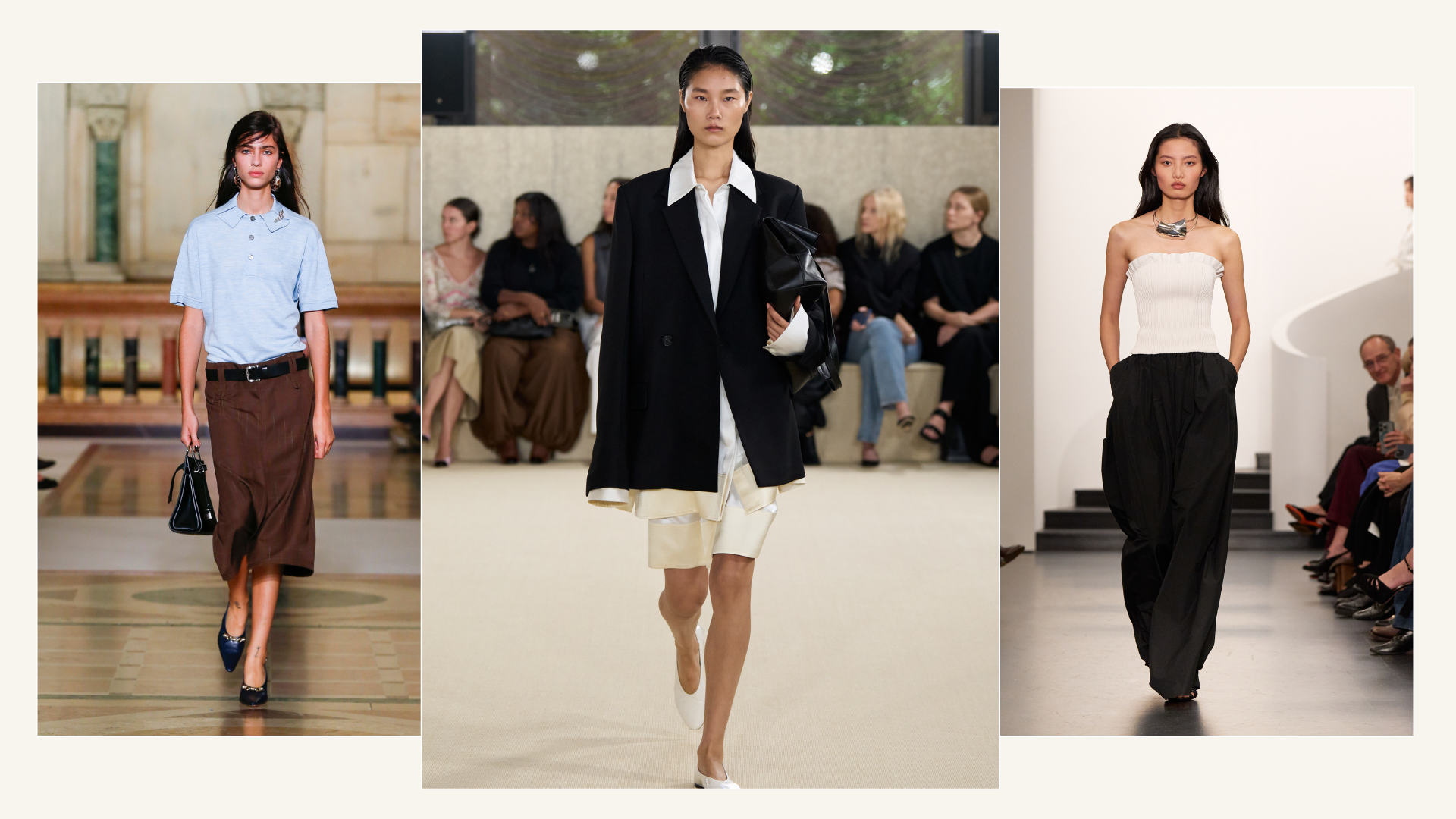
Minimalist style represents a design philosophy that has influenced numerous domains, including art, architecture, fashion, and interior design, centering on simplicity and prioritizing essential elements to craft an aesthetic that feels both refined and practical, while relying on a restrained selection of components to cultivate a peaceful, orderly, and cohesive atmosphere.
Minimalism’s Early Roots
Minimalism as a formal movement began in the post-World War II Western art world, primarily gaining traction in New York in the late 1960s. Artists like Donald Judd, Agnes Martin, and Carl Andre sought to break away from the complexities of Abstract Expressionism, instead favoring simplicity and objectivity. The influence of minimalism soon expanded beyond the confines of visual art, impacting other disciplines and resonating with those seeking clarity and calm in an increasingly chaotic world.
Essential Foundations of Minimalism
Several fundamental principles characterize minimalism:
Less is More: Coined by architect Ludwig Mies van der Rohe, this phrase encapsulates the minimalist mantra. It advocates for stripping designs down to their essential elements, eliminating unnecessary components that do not contribute to the overall purpose.
Functionality: Minimalist design prioritizes functionality. Every element used must serve a purpose, whether aesthetic or practical, thereby ensuring an efficient use of resources and space.
Neutral Color Palette: Minimalist design typically embraces subdued, neutral tones, using whites, greys, blacks, and soft natural shades to establish a serene, understated visual foundation.
Geometric Forms: The use of basic geometric shapes and clean lines is a staple in minimalist design. This evokes a sense of order and precision, contributing to the overall sense of tranquility.
Uses of Minimalism
Minimalist style finds application across various domains, each adopting the philosophy to suit different needs and contexts.
Interior Design: Minimalist interior design embraces open spaces, natural light, and a sparse arrangement of furniture. The focus is on quality over quantity, where each piece is chosen for its utility and aesthetic contribution. Open floor plans and floor-to-ceiling windows are characteristic features.
Fashion: In fashion, minimalism often highlights streamlined silhouettes, refined hues, and tactile materials that create a lasting sense of elegance, with designers like Jil Sander and Calvin Klein advancing this aesthetic through understated, expertly crafted garments that reflect both durability and mindful design.
Web Design: The digital landscape has fully embraced minimalism, with sites prioritizing clean functionality, intuitive browsing, and a refined user journey that reflects this aesthetic. A clear illustration is Google’s homepage, where its pared-down layout enhances overall usability.
Minimalism in Everyday Life
Beyond design and aesthetics, minimalism extends to lifestyles. Minimalist living promotes reducing material possessions to what is necessary and meaningful, prioritizing needs over wants. It encourages individuals to declutter their physical and mental spaces, ultimately striving for a simplified and intentional way of living. This approach is increasingly popular among those seeking mindfulness and sustainable living practices.
Obstacles and Critiques
Despite its appeal, minimalist style is not without challenges or criticisms. Some argue that minimalism can appear cold or impersonal, lacking warmth and character. There is also a misconception that achieving minimalism requires significant financial investment, misaligning with its foundational principles. Others view it as a trend that may not withstand the test of time in terms of practicality and diversity. However, adherents maintain that at its core, minimalism is adaptable and can be personalized to fit individual preferences and lifestyles.
Reflecting on minimalist style reveals its inherent duality—its capacity to offer clarity and calm, balanced with the potential challenges of authenticity and accessibility. By consciously engaging with its principles, individuals and designers alike can harness its strengths to foster an environment of simplicity and purpose, creating spaces and experiences that resonate with enduring relevance.