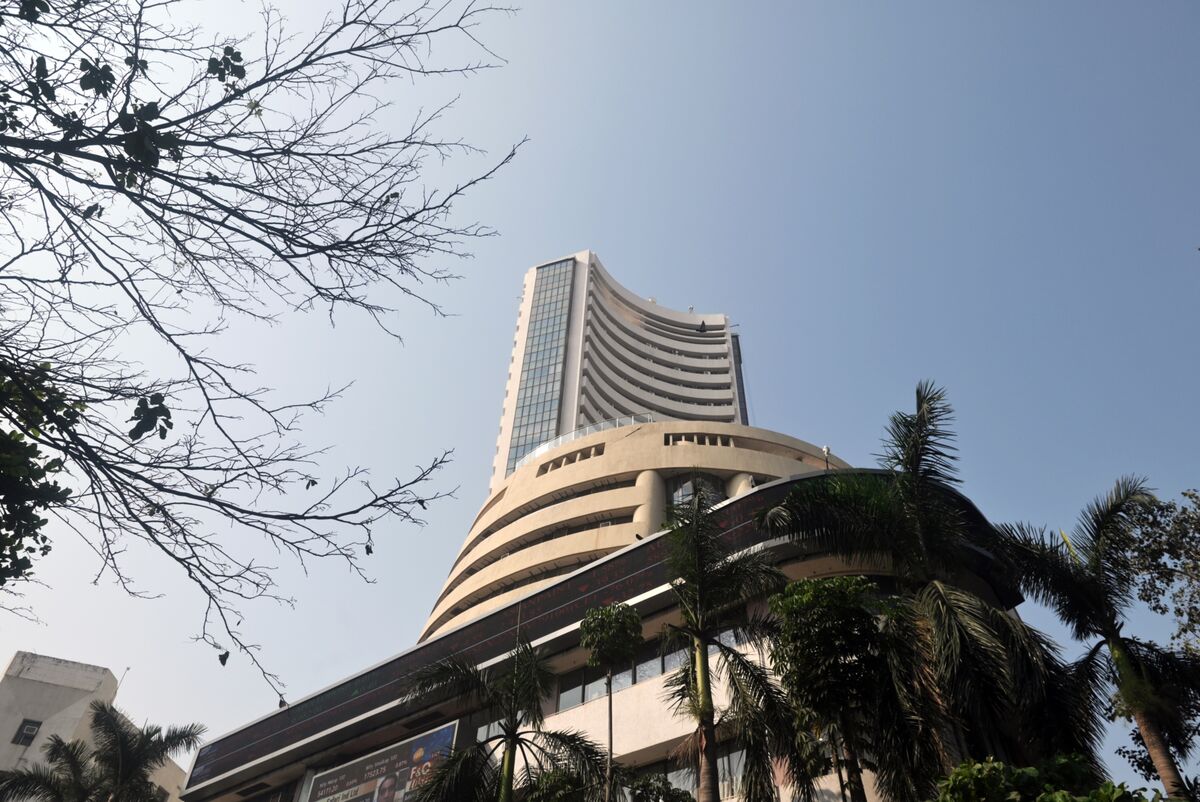
Jane Street, a well-known quantitative trading company in the United States, is presently facing considerable operational and regulatory challenges in India. This situation brings up questions about its strategic direction and the intricacies of conducting business within the country’s distinct financial framework. The company, recognized internationally for its advanced algorithmic trading methods and significant influence across various financial markets, seems to be facing difficulties that might affect its growth plans in one of the globe’s rapidly expanding economies. This scenario highlights the complex mix of regulatory oversight, market conditions, and cultural differences that international entities frequently deal with when trying to gain a solid position in the Indian financial sector.
The central issue affecting Jane Street’s operations in India seems to arise from a combination of elements. A major factor is the increasingly rigorous regulatory landscape overseeing financial exchanges. India’s market authorities, notably the Securities and Exchange Board of India (SEBI), have been actively enhancing their oversight, specifically in relation to high-frequency trading (HFT) and algorithmic trading techniques. These rules are typically crafted to ensure market equity, safeguard retail investors, and avert systemic threats. For a company like Jane Street, which depends extensively on speed and advanced algorithms, adjusting to these changing regulatory conditions without altering its main trading approach can be a considerable difficulty. Differences between international best standards and domestic Indian rules, or varied interpretations of compliance, could readily cause operational challenges or even sanctions.
Furthermore, the Indian market, while offering immense opportunities due to its size and growth potential, also presents unique structural characteristics. Unlike more mature markets where HFT firms might operate with relatively fewer restrictions on speed and access to market data, India has historically taken a more cautious approach. There have been ongoing debates and policy considerations regarding issues such as co-location services, fair access to exchange infrastructure, and the potential for HFT to create undue volatility or an uneven playing field. Jane Street’s business model thrives on optimizing these very elements, and any limitations or perceived unfairness in market access could directly impact its profitability and competitive edge. The local exchanges, such as the National Stock Exchange (NSE) and Bombay Stock Exchange (BSE), have their own rules and technological setups that require precise alignment, which might not always perfectly fit a firm’s global operational template.
Another complexity layer might involve acquiring and keeping talent. Although India has a large number of skilled workers, especially in technology and finance, it can be competitive to attract and retain elite quantitative traders and engineers skilled in the specialized field of HFT. Companies such as Jane Street need people with not only outstanding analytical and programming capabilities but also a deep understanding of international financial markets and the company’s proprietary strategies. Overcoming the differences between a company’s global corporate culture and the expectations of local talent, which include pay structures, work-life harmony, and career advancement, can sometimes lead to internal issues, particularly in a nation where top talent is highly sought after by both local and international companies.
The competitive landscape in India’s trading sector is also robust. While international firms bring their global expertise and capital, they face stiff competition from well-established domestic financial institutions and a growing number of agile local fintech firms. These local players often possess an inherent understanding of the market’s idiosyncrasies, established networks, and the ability to adapt quickly to regulatory changes. Breaking into such an entrenched ecosystem requires not just superior technology but also strong local partnerships and a nuanced appreciation of the market’s unspoken rules and relationships.
Moreover, the nature of India’s capital markets themselves could be a factor. While equity derivatives and commodities markets are increasingly active, other segments might not offer the depth or liquidity that Jane Street typically seeks for its high-volume, low-margin strategies. Foreign exchange markets, for instance, have different regulatory structures and participant profiles in India compared to major global hubs. The availability of diverse financial products and the overall market microstructure directly influence the effectiveness and profitability of HFT strategies. If certain market segments are not sufficiently developed or accessible to foreign firms under optimal conditions, it could limit Jane Street’s operational scope.
La opinión pública y el examen mediático también tienen su importancia. Siendo una entidad extranjera que opera en un sector delicado, las operaciones de Jane Street pueden captar más atención de los medios y el público, particularmente si se perciben impactos negativos en la estabilidad o equidad del mercado. Acusaciones o incluso rumores de prácticas comerciales agresivas pueden rápidamente intensificarse, resultando en una mayor presión regulatoria y daños en la reputación. Mantener una robusta estrategia de relaciones públicas y mostrar un compromiso claro con el desarrollo del mercado local y prácticas éticas se vuelve esencial en un entorno así.
Challenges that Jane Street is experiencing in India might reflect wider obstacles international financial firms encounter when trying to expand their specialized trading systems. A model that functions perfectly in one market, owing to its unique structure and regulatory environment, might face serious obstacles in a different one. This often requires adjustments to technology and operational methods, which might be both time-intensive and expensive. This highlights the crucial need for thorough market analysis and regulatory checks before venturing into new and intricate markets.
The scenario involving Jane Street in India underscores the complex equilibrium among innovation, regulation, and the progression of markets. For quantitative trading organizations that depend on a very specialized and tech-driven methodology, maneuvering through varied regulatory frameworks and market configurations is an ongoing hurdle.
The outcome of Jane Street’s current struggles in India will likely serve as a case study for other global financial players looking to tap into the vast potential of emerging markets, emphasizing the critical importance of adaptable strategies, strong local engagement, and a deep understanding of the unique complexities each market presents. Their ability to overcome these hurdles will determine their long-term success and influence within India’s burgeoning financial services sector.