A personal shopper is a professional who supports clients during their buying choices, typically involving fashion, luxury items, or thoughtful presents, and the position seeks to simplify each shopping experience while delivering tailored, knowledgeable suggestions that suit every client’s preferences, requirements, and lifestyle; personal shoppers might operate independently, be employed by a retail store, or work as part of a comprehensive concierge service.
The Evolution of Personal Shopping
For many years, personal shoppers were primarily associated with high-end department stores and exclusive boutiques, catering chiefly to wealthy clients. As time passed, however, the field evolved significantly. With the rise of e-commerce and digital platforms, the scope of personal shopping broadened, allowing individuals across a wide range of financial backgrounds to access expert support and personalized recommendations.
Services Offered by Personal Shoppers
Personal shoppers provide a wide range of services, including:
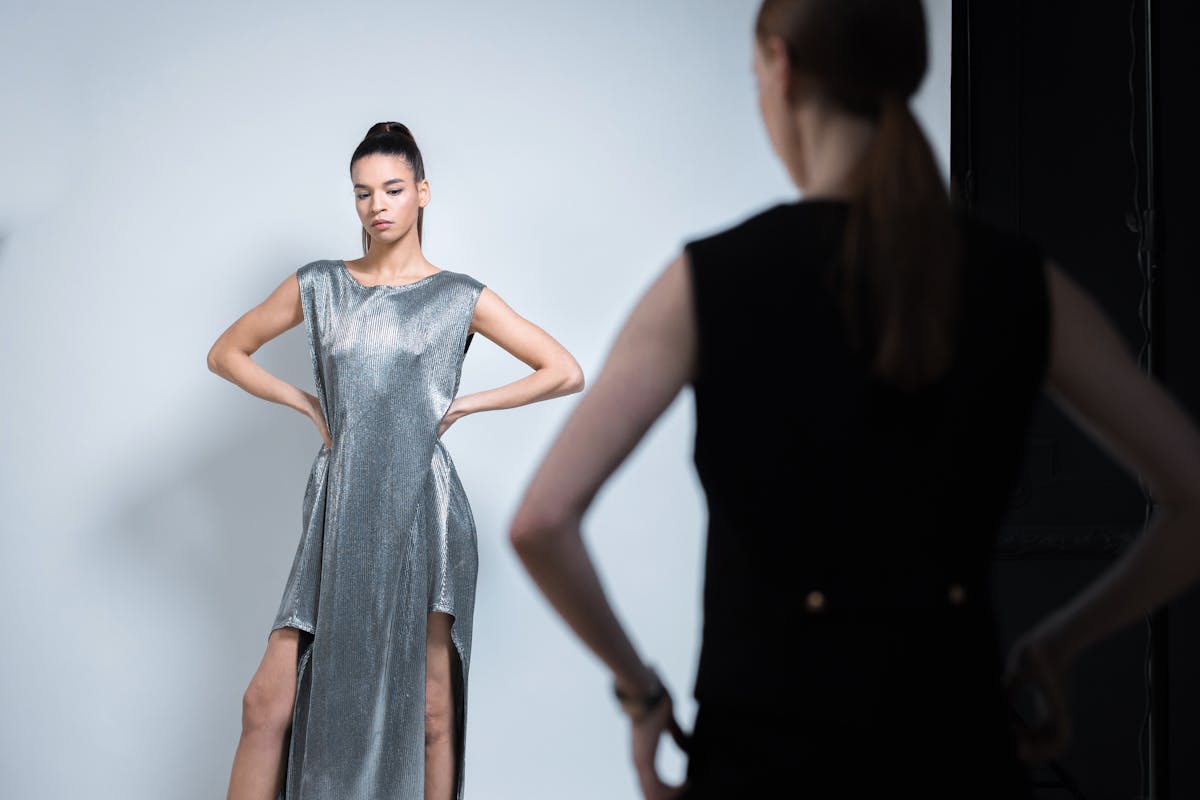
Fashion Consultation: Personal shoppers guide clients in shaping their style, curating looks that suit their body shape, and picking attire suitable for a range of events, while staying current with fashion trends to deliver fresh, informed recommendations.
Gift Purchasing: Clients seeking unique and personalized presents frequently turn to personal shoppers, who deliver tailored suggestions aligned with the recipient’s personality, interests, and the specific event.
Wardrobe Assessment: By evaluating existing wardrobes, personal shoppers identify gaps or outdated items. They assist in creating a functional collection of garments that can be mixed and matched easily.
Efficient Shopping Experience: Personal shoppers maximize the efficiency of the shopping process, whether in-store or online. They handle logistics, manage returns, and coordinate with brands for bespoke items.
The Growing Trend of Digital Personal Shopping
As digital technology keeps evolving, virtual personal shopping has grown rapidly, providing customized styling input and carefully selected recommendations shared via video calls or email, drawing in clients who appreciate the convenience of shopping from home while still receiving personalized professional guidance.
Platforms like Stitch Fix, Trunk Club, and Thread have embraced this movement by leveraging algorithms that analyze shopper tastes and propose customized apparel selections, often pairing these tools with a human stylist to enhance the personal touch.
Advantages of Relying on a Personal Shopper
A wide range of people seek out personal shoppers for numerous different motives:
Time-Saving: Selecting the right items can require significant time, yet personal shoppers simplify the entire process, enabling clients to concentrate on other priorities while still obtaining pieces that align with their tastes and style.
Expertise and Trend Insights: Personal shoppers bring extensive industry knowledge and provide nuanced guidance on trends, product quality, and overall value, enabling clients to choose with confidence.
Confidence Boost: Choosing clothing that feels comfortable and flatters an individual’s build can significantly enhance self-assurance, and personal shoppers ensure that clients select items that help them look and feel their best.
Access to Exclusive Pieces: By leveraging their ties across the fashion world, personal shoppers often secure entry to rare limited editions or designer items that the general public usually cannot access.
Case Studies: Notable Personal Shopper Success Stories
Consider a professional who travels extensively and has little time to shop for clothing. By employing a personal shopper, they might receive a complete seasonal wardrobe tailored to their preferences, seamlessly delivered to their door. Alternatively, a busy parent seeking the perfect birthday gift for a child might use a personal shopper to identify and acquire a unique, thoughtful present that dazzles at the birthday party.
Personal shopping is no longer seen purely as a luxury reserved for the affluent; it has expanded access to style advice and consumer expertise, welcoming a far broader audience. This service mirrors shifting cultural priorities, from making intentional purchases and choosing sustainable options to seeking ways to express personal identity through fashion. As the industry continues to evolve and introduce fresh concepts, personal shoppers are expected to stay vital in guiding individuals through the wide and ever‑changing world of consumer goods.