Blog

The 10 Oldest Musical Instruments Ever Found by Archaeologists

The 10 Oldest Musical Instruments Ever Found by Archaeologists

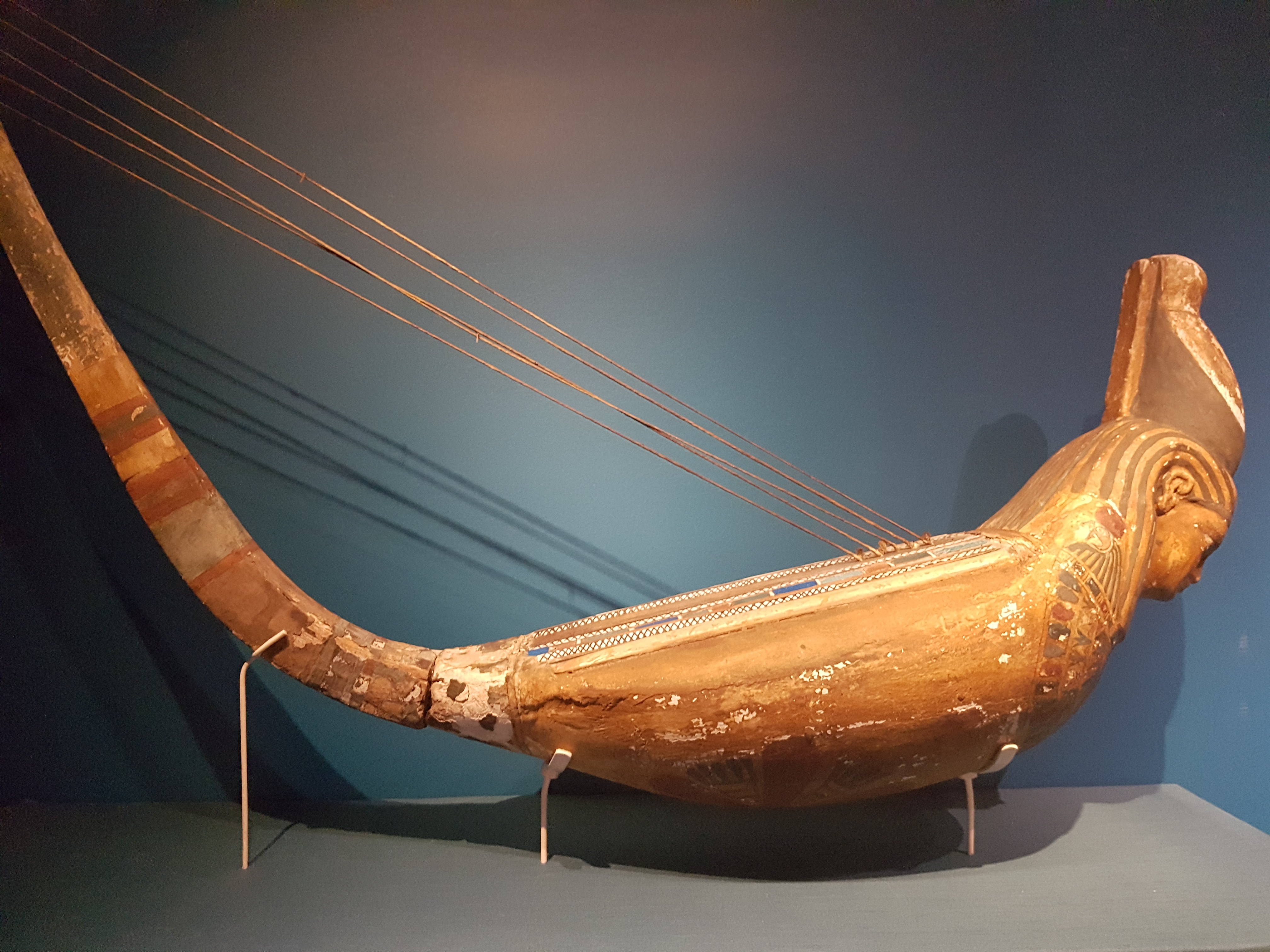
1. Divje Babe Flute (Slovenia) – Approximately 60,000 Years OldOften cited as the oldest known musical instrument in the world, the Divje Babe flute was discovered in a cave in Slovenia in 1995. Carved from the femur of a juvenile cave bear, the artifact contains carefully spaced holes that align with musical intervals.Dating back approximately 60,000 years, this artifact is linked to Neanderthals. Even though a few experts contend that predators might have drilled the punctures, experimental replicas show that the arrangement can generate a diatonic scale. Should this deliberate craftsmanship be verified, such an artifact would indicate that Neanderthals…

Read More
The connection between film scores and viral media success stories

The connection between film scores and viral media success stories

Introduction: Why Film Scores Become Cultural IconsA truly great film score does more than accompany images—it defines them. The most recognizable film scores transcend cinema, entering everyday life through concerts, commercials, sporting events, and viral media. Their melodies are instantly identifiable, often within a few notes. These compositions shape emotional memory, reinforce character identity, and elevate storytelling to mythic proportions. Below are fifteen film scores whose themes have achieved global recognition and enduring cultural impact.1. Star Wars (1977) – John WilliamsJohn Williams’ Star Wars score revitalized the grand symphonic tradition in Hollywood. The bold brass fanfare of the main title…
Read More
The 10 oldest working theaters in the world you can still visit

The 10 oldest working theaters in the world you can still visit

1. Olympic Theatre, Vicenza (1585)The Olympic Theatre situated in Italy, which opened its doors in 1585, is broadly acclaimed as the planet's most ancient surviving enclosed theatre that remains operational. Conceived by the Renaissance master Andrea Palladio and finished by his offspring following his passing, the structure encapsulates traditional Roman ideals. Its enduring stage backdrop, complete with forced perspective thoroughfares, stays well-preserved and consistently captivates spectators.Unlike contemporary stages that utilize modular backdrops, the Olympic Theatre boasts a permanent set design, offering a scarce window into Renaissance stagecraft. Present-day productions are meticulously managed to safeguard the historic wood and plaster, proving…
Read More
Why pure mathematics matters more than ever in innovation

Why pure mathematics matters more than ever in innovation

Introduction: When Abstraction Becomes IndispensablePure mathematics has often been pursued for intellectual beauty rather than immediate utility. Yet history repeatedly shows that abstract theories—sometimes developed centuries before practical need—become the backbone of transformative technologies. The following fifteen cases demonstrate how ideas once considered purely theoretical evolved into essential tools shaping modern science, technology, and society.1. Number Theory and Modern CryptographyFor centuries, number theory was regarded as the epitome of “useless” mathematics. Today it secures the digital world. Public-key cryptographic systems such as RSA rely on properties of prime numbers and modular arithmetic. The difficulty of factoring large integers—numbers with hundreds…
Read More
Lessons learned from 12 companies broken up for monopolistic practices

Lessons learned from 12 companies broken up for monopolistic practices

Comprehending Corporate Breakups to Address Abusive PracticesAntitrust law exists to prevent companies from abusing market power, suppressing competition, and harming consumers. When regulators determine that a firm has engaged in monopolistic or anti-competitive conduct that cannot be corrected through fines or behavioral remedies alone, they may order a structural breakup. Such interventions are rare and significant, reshaping entire industries. Below are twelve notable companies that were broken up due to abusive or monopolistic practices, along with the legal and economic consequences of each case.1. Standard Oil (1911)Founded by John D. Rockefeller, Standard Oil dominated the American oil industry in the…
Read More
12 archaeological discoveries that reshaped science across multiple disciplines

12 archaeological discoveries that reshaped science across multiple disciplines

Introduction: When the Past Rewrites ScienceArchaeology does more than uncover ancient objects; it reshapes scientific understanding across disciplines—from evolutionary biology and geology to linguistics, medicine, and climate science. Certain discoveries have overturned long-held theories, refined timelines, and revealed unexpected connections between civilizations. The following twelve archaeological discoveries fundamentally changed science by altering how humanity understands its origins, development, and environment.1. The Rosetta Stone (1799)The discovery of the Rosetta Stone in Egypt furnished the crucial key needed to decode Egyptian hieroglyphs. Featuring the exact same passage carved across three distinct scripts—hieroglyphic, demotic, and ancient Greek—this artifact enabled researchers, particularly Jean-François Champollion…
Read More
The 10 deepest ocean and earth locations reached by humans

The 10 deepest ocean and earth locations reached by humans

The 10 Deepest Places Ever Reached by HumansHuman exploration is frequently tied to soaring peaks and the cosmos, although a few of the most remarkable feats have taken place deep beneath the ocean and far under the Earths surface. Ranging from crushing marine trenches to profound subterranean caverns and mines, these sites embody the ultimate boundaries of scientific ambition, engineering, and human resilience. Detailed below are the ten deepest locations ever accessed by mankind, ordered by their depth and importance.1. Challenger Deep, Mariana Trench – Approximately 10,935 meters (35,876 feet)The Challenger Deep is the deepest known point in the world’s…
Read More
Inside the lengthy recording process of legendary albums like {Chinese Democracy}

Inside the lengthy recording process of legendary albums like {Chinese Democracy}

IntroductionSome records are crafted during sudden moments of inspiration, whereas others take shape across years—or sometimes decades—marked by endless revisions, contractual battles, personnel shifts, and obsessive perfectionism. Extended production schedules frequently showcase lofty artistic goals, sonic exploration, or intense personal adversity. The upcoming ten LPs are remarkable for the incredible duration dedicated to their production, ultimately transforming careers and, quite often, the very trajectory of music history.1. Guns N’ Roses – Chinese Democracy (1994–2008)Recording time: Approximately 14 years Frequently cited as the most notorious prolonged production cycle in rock annals, Chinese Democracy started its recording sessions in 1994 before finally…
Read More
The 10 largest theme parks in the world by annual attendance

The 10 largest theme parks in the world by annual attendance

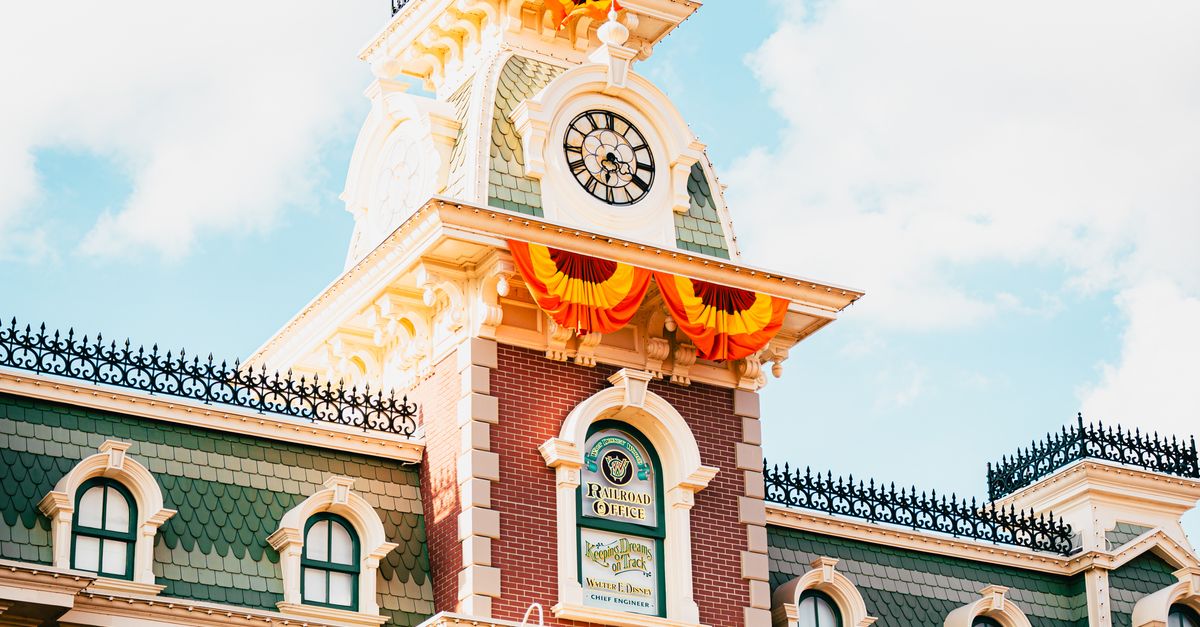
1. Magic Kingdom, United StatesLocation: Orlando, Florida Annual Attendance: Over 17 million visitorsMagic Kingdom at Walt Disney World Resort consistently ranks as the largest and most visited theme park in the world by annual attendance. Spanning approximately 107 acres within a 25,000-acre resort complex, it blends immersive storytelling with high-capacity ride systems.Signature attractions include Space Mountain, Pirates of the Caribbean, and Seven Dwarfs Mine Train. The park is divided into six themed lands, each engineered with distinct architecture, music loops, and ride technologies to maximize immersion.Its operational scale is immense, featuring thousands of daily cast members, advanced queue management systems,…
Read More
Why Cologne Cathedral’s construction spanned over six centuries

Why Cologne Cathedral’s construction spanned over six centuries

1. Cologne Cathedral, GermanyConstruction of Cologne Cathedral began in 1248 and was not officially completed until 1880—more than 630 years later. Designed in the High Gothic style, it was intended to house relics of the Three Kings and to rival the great French cathedrals. Work halted in the 16th century due to financial shortages and changing artistic tastes during the Renaissance. For over 300 years, an enormous crane stood atop the unfinished south tower as a symbol of abandonment. In the 19th century, renewed national pride and access to original medieval plans led to its completion. Today, its twin spires…
Read More