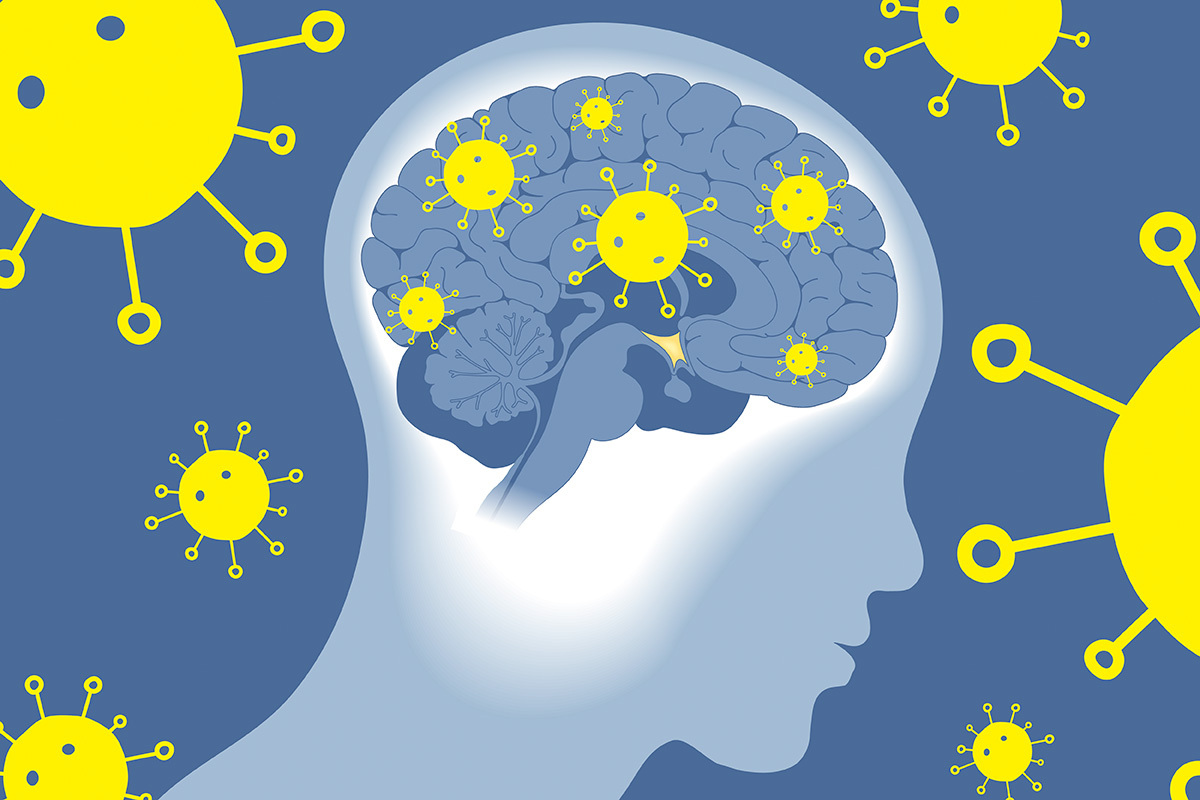
New research suggests that the COVID-19 pandemic may have had a profound impact on cognitive health—regardless of whether individuals were infected with the virus. The stress, disruption, and prolonged uncertainty experienced during the global health crisis appear to have contributed to measurable signs of brain aging across the general population.
Investigators analyzing alterations in brain activity and psychological capabilities prior to, throughout, and following the pandemic have discovered signs of heightened cognitive deterioration among adults of different age groups. These modifications were observed even in those who never contracted COVID-19, suggesting a wider environmental and psychological impact rather than one solely attributed to the virus itself.
The pandemic era brought significant changes to everyday habits, decreased social engagements, extended isolation, financial uncertainty, and general anxiety—elements that can heavily impact mental well-being. Experts suggest that these circumstances might have mirrored the effects commonly linked with aging, such as deteriorating memory, reduced processing speed, and diminished concentration.
In studies comparing cognitive test results from before the pandemic to those taken afterward, participants demonstrated slight but consistent declines in memory retention, executive function, and verbal reasoning. While the changes are subtle at an individual level, they were significant enough at the population level to raise concerns among neurologists and mental health professionals.
One hypothesis posits that ongoing stress significantly influenced this change in cognition. It’s understood that stress impacts the hippocampus—an area of the brain essential for memory and acquiring knowledge—and long-term exposure to stress hormones such as cortisol can harm neural operations as time progresses. The continuous mental strain resulting from the pandemic could have fostered a neurological setting akin to what is observed in aging minds.
Moreover, the drastic reduction in social interaction may have compounded the effects. Humans are inherently social beings, and regular engagement with others helps stimulate brain function and maintain cognitive sharpness. The isolation many people experienced during lockdowns and distancing measures may have accelerated brain changes typically observed in older adults.
Work-from-home arrangements, reduced physical activity, disrupted sleep patterns, and increased screen time likely also contributed. All of these factors have been linked in prior research to changes in brain health, and when experienced simultaneously—as they were during the pandemic—they may have produced a cumulative effect.
Interestingly, scientists also noted that people who had been infected with COVID-19 exhibited similar trends of cognitive deterioration, not necessarily progressing more rapidly than those who remained uninfected. This observation indicates that the environmental and psychological consequences of the pandemic might be as significant as the virus’s biological effects in terms of cognitive aging.
These findings raise important questions about how society supports mental and neurological health during large-scale disruptions. Experts suggest that the long-term consequences of the pandemic may extend well beyond public health metrics like infection rates and hospitalizations. If cognitive decline has become more widespread due to shared stressors, it may be necessary to reframe the understanding of post-pandemic recovery to include brain health as a key priority.
Healthcare providers are being encouraged to monitor patients more closely for signs of cognitive changes, especially among middle-aged and older adults. Regular memory screenings, mental wellness check-ins, and proactive lifestyle interventions may help mitigate any lasting effects.
Health initiatives focusing on decreasing stress, enhancing sleep habits, and encouraging both physical and social engagement could be crucial in addressing some of the impacts. The brain’s plasticity—its capacity to adjust and renew—persists robustly through a significant part of adult life, and interventions carried out early may help in decelerating or potentially reversing the pattern.
The impact of digital technology throughout the pandemic is being closely examined. Although digital platforms enabled remote communication and maintained connectivity, the overuse of screens might have caused sensory overwhelm and shortened focus duration. Certain scholars claim that the transition to online communication, despite its necessity, lacked the cognitive engagement of direct personal interaction, leading to mental exhaustion.
Schools and teachers are encountering similar challenges. Although remote education served as a valuable substitute during lockdowns, it might have adversely affected students’ focus, ability to retain information, and skills in critical analysis. As students go back to face-to-face classes, educational systems might need to revise curricula and assistance programs to help restore cognitive abilities that were less utilized or weakened during the pandemic era.
Workplaces should be urged to take into account the mental impacts of recent years as they adapt to evolving standards. Companies might find advantages in offering mental health services, encouraging in-office teamwork when it is safe, and supporting a balance between work and personal life. Implementing these measures can contribute to rebuilding mental resilience and enhancing overall effectiveness.
Ongoing longitudinal research is underway to monitor how these cognitive transformations progress over time. By examining the same participants over several years, scientists aim to ascertain whether the observed reduction is a brief hindrance or the onset of a more prolonged pattern. The findings might influence future mental health strategies, public awareness initiatives, and approaches to aging.
Although the pandemic might have hastened some aging-associated brain trends, it also presents a significant chance to reconsider how mental health is valued and safeguarded by society. There is an increasing awareness of the problem, which provides an opportunity to apply strategies to mitigate similar impacts in future emergencies.
The emerging evidence serves as a reminder that cognitive health is influenced by more than just biology. Our environment, routines, stress levels, and social structures all contribute to how well the brain functions. In the wake of a global disruption as vast as the COVID-19 pandemic, it’s clear that protecting brain health must be part of any comprehensive recovery plan.