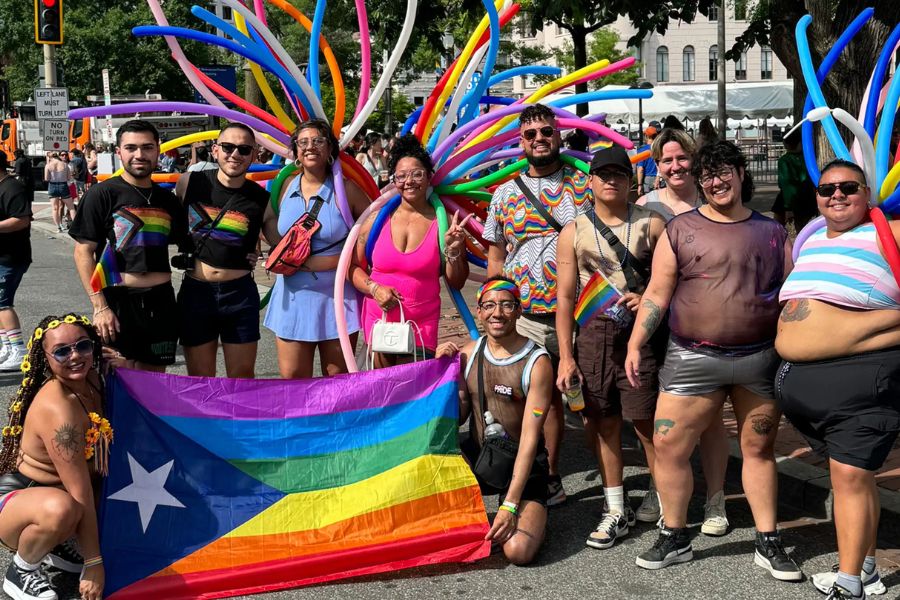
In an historic ruling praised by civil rights advocates, a tribunal in Saint Lucia has reportedly overturned a law that penalized consensual relationships between same-sex partners. As per organizations supporting the cause, this decision represents a crucial turning point for LGBTQ+ rights in the Caribbean country and reflects a wider movement to repeal colonial-era legislation still prevalent throughout the region.
The lawsuit presented to the High Court contested the sections of the Criminal Code that punished activities labelled as “gross indecency” and “buggery” — archaic words once used to refer to consensual sexual relations between men. These laws, leftovers from British colonial governance, included possible imprisonment and were condemned for fostering stigma, discrimination, and anxiety among LGBTQ+ people in Saint Lucia.
While there have been few legal cases under these regulations lately, activists contend that their ongoing existence in the legal system posed a substantial obstacle to equality. The latest judicial decision essentially eliminates this legal basis for discrimination, offering some relief and acknowledgement to LGBTQ+ individuals in Saint Lucia who have been subjected to criminalization for a long time.
The appeal was submitted with the backing of local and regional advocacy groups, highlighting that these laws infringed on fundamental human rights, such as the rights to privacy, dignity, and protection from discrimination, as stated in Saint Lucia’s Constitution. The court’s ruling is perceived as a judicial recognition that laws prohibiting same-sex relationships are not compatible with constitutional safeguards.
Although the government has not officially commented on the verdict, advocacy organizations assert that the judgment is obligatory and will block any future application of the annulled laws. Specialists in law emphasize that even though judicial decisions do not instantly ensure cultural or societal acceptance, they are vital in establishing legal precedent and confirming the rights of underrepresented communities.
Throughout the Caribbean, there have been comparable legal struggles in recent times. Judicial systems in Belize, Trinidad and Tobago, and Antigua and Barbuda have overturned similar statutes, igniting initiatives for wider decriminalization campaigns. Nevertheless, several nations in the area continue to uphold laws that penalize same-sex relations, frequently based on legal structures from the 19th century colonial era.
Advocates in Saint Lucia expressed hope that the ruling would not only offer legal protection but also foster a more inclusive and respectful environment. Many emphasized that the decriminalization of same-sex relationships is a step toward addressing broader issues such as violence, social exclusion, and barriers to health care and employment that LGBTQ+ individuals frequently encounter.
International human rights organizations welcomed the court’s decision, describing it as a victory for equality and human dignity. They also urged Saint Lucia’s government to take further steps toward protecting LGBTQ+ citizens, including public education initiatives and legal reforms to address discrimination more comprehensively.
Despite the ruling, challenges remain. In many parts of Saint Lucia, societal attitudes toward LGBTQ+ people remain conservative, shaped by religious and cultural influences. Activists caution that legal reforms must be paired with public dialogue and education to achieve meaningful social change and ensure that the rights affirmed in court are respected in everyday life.
Legal scholars have pointed out that rulings such as this one demonstrate the evolving role of courts in interpreting constitutional rights in the modern era. By grounding their decisions in the principles of human dignity and equality, judges are increasingly recognizing that laws targeting individuals based on sexual orientation have no place in a democratic society.
The court’s decision also highlights the power of legal advocacy in securing justice for marginalized communities. The success of the challenge in Saint Lucia was made possible through coordinated efforts by civil society groups, lawyers, and activists who worked to document harm, mobilize public support, and present a compelling constitutional case.
Observers note that the case may have a ripple effect, inspiring similar legal challenges in other Caribbean countries where anti-LGBTQ+ laws remain on the books. As legal norms evolve and international scrutiny increases, governments may be compelled to reevaluate laws that conflict with human rights standards and constitutional principles.
For Saint Lucia, the court’s ruling marks advancement in bringing its legal system in line with modern perceptions of equality and individual liberty. It additionally communicates to LGBTQ+ persons in the nation that their identities are not criminal acts and that they have the right to the same legal safeguards as all other citizens.
While the path toward full equality is far from complete, this legal victory provides a foundation upon which broader reforms can be built. With continued advocacy and public engagement, Saint Lucia now has an opportunity to lead by example in promoting human rights and dignity for all, regardless of sexual orientation.