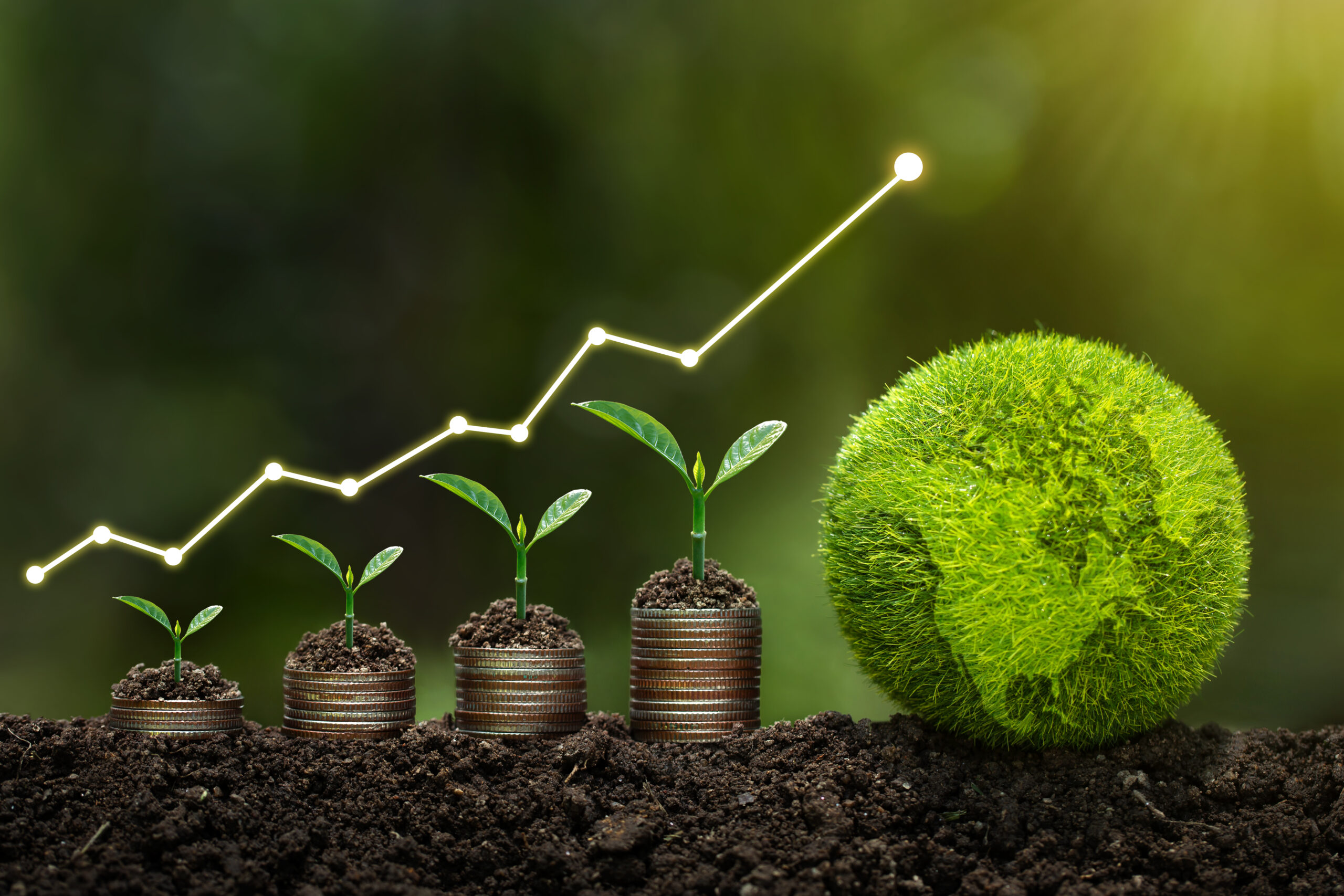
The circular economy is reshaping how communities produce, consume, and manage resources, and by extending the lifespan of goods while minimizing waste, this model offers environmental, economic, and social benefits that help sustain long-term development.
For decades, economic growth has largely relied on a linear model of production in which raw materials are extracted, transformed into products, purchased by consumers, and eventually discarded once they are no longer useful. Although this approach has fueled industrial expansion and increased access to goods, it has also placed significant pressure on natural resources and generated unprecedented levels of waste.
As global populations continue to grow, material demand intensifies, and challenges like climate change, pollution, and resource depletion become impossible to ignore, governments, companies, and consumers increasingly recognize that this model cannot persist indefinitely. In response, many countries are turning to circular economy strategies as a realistic path to balance economic development with responsible environmental management.
Unlike conventional production models, the circular economy aims to preserve the usefulness of materials throughout their full lifespan. Rather than treating products as throwaway goods, this perspective promotes extending their usability through ongoing maintenance, repair, refurbishment, reuse, and recycling. Its purpose is not only to curb waste, but also to build a more adaptable economy that manages resources effectively while limiting environmental harm.
Understanding the concept of a circular economy
A circular economy is a production and consumption framework aimed at cutting unnecessary waste by lengthening the useful life of products and retrieving valuable materials once their initial purpose ends, and instead of relying on the usual take, make, use, and dispose pattern, it encourages an ongoing loop that keeps resources functioning efficiently for the longest possible time.
Producers begin shaping this system long before any product reaches consumers, encouraged to craft durable items that are easy to repair and composed of materials suited for later reuse or recycling; by considering the entire life cycle during the design phase, companies can substantially reduce the environmental impact associated with manufacturing.
Sharing, leasing, repairing, remanufacturing, and refurbishing products are also central components of this model. These practices reduce the need for constant production of new goods while allowing existing products to continue serving useful purposes. Even when an item can no longer perform its original function, many of its materials can often be recovered and transformed into new products.
Recycling remains an important element of the circular economy, but it is considered only one part of a broader strategy. Before materials are recycled, every effort is made to preserve the highest possible value of the product through repair or reuse. This hierarchy helps reduce the demand for virgin raw materials and decreases the amount of waste sent to landfills.
The circular economy therefore represents a fundamental shift in how resources are managed, encouraging societies to view waste as a valuable resource instead of an inevitable consequence of consumption.
Moving beyond the traditional linear economy
The contrast between circular and linear economic models is significant, as the traditional linear economy largely relies on sourcing fresh materials to create goods that tend to have limited longevity, and when these items become worn, outdated, or no longer useful, they are typically thrown away and substituted with new ones.
This approach relies on consistent availability of inexpensive raw inputs and substantial energy reserves, yet over time these finite natural resources become increasingly scarce and costly to obtain, creating economic pressures and environmental challenges.
Another challenge tied to the linear model involves planned obsolescence, in which certain products are deliberately built to last only a short time or quickly lose compatibility with emerging technologies. As a result, consumers are prompted to replace these items more often, driving up production levels and contributing to greater volumes of waste.
The circular economy reshapes this pattern by emphasizing long‑lasting design instead of continual turnover, encouraging manufacturers to create products that remain reliable, support upgrades, or can be repaired with readily available components, while consumers benefit from goods that deliver lasting value rather than requiring frequent replacement.
This transition also drives companies to reconsider their operational approaches, encouraging many to move past solely offering new products and instead broaden their scope to include maintenance services, refurbishment solutions, rental programs, and take-back initiatives that help maintain a continuous cycle of materials.
Protecting natural resources and ecosystems
One powerful motivation for adopting a circular economy is its capacity to reduce environmental damage. Creating any product relies on natural resources such as minerals, metals, timber, water, and fossil fuels. Harvesting these materials often disrupts ecosystems, requires significant energy, and contributes to broader pollution.
By extending the period products stay in circulation and recovering materials once they reach the end of their lifecycle, the need for newly mined resources decreases, helping preserve forests, sustain wildlife habitats, limit soil degradation, and safeguard water supplies.
Biodiversity also benefits from lower levels of resource extraction. Mining operations, large-scale logging, and intensive industrial activities frequently disturb natural ecosystems, placing numerous plant and animal species at risk. Reducing dependence on newly extracted materials helps minimize these impacts.
Another important advantage is the reduction of greenhouse gas emissions. Manufacturing products from virgin materials generally requires far more energy than repairing existing products or producing goods with recycled materials. As industries adopt circular practices, overall emissions can decrease, supporting global efforts to combat climate change.
Product design plays a particularly important role in this process. Experts estimate that a significant share of a product’s environmental impact is determined during its design stage. Choosing sustainable materials, minimizing unnecessary components, and planning for future repairs all contribute to lowering the product’s environmental footprint before it even reaches consumers.
Packaging provides another opportunity for improvement. Around the world, excessive packaging has become one of the fastest-growing sources of waste. Circular economy principles encourage businesses to reduce unnecessary packaging, develop reusable alternatives, and design materials that can be recycled more efficiently after use.
Lowering reliance on scarce raw materials
One of the most pressing reasons for embracing a circular economy is the growing pressure on global supplies of raw materials. As populations expand and standards of living improve in many parts of the world, demand for metals, minerals, timber, fossil fuels, and other essential resources continues to rise. However, these materials are finite, and many of them are becoming increasingly difficult and expensive to obtain.
Certain resources are considered especially crucial because they form the backbone of modern technology production, and materials required for electric‑vehicle batteries, renewable energy systems, electronic devices, and sophisticated industrial machinery are frequently scarce or obtained from only a small number of regions worldwide.
This dependence creates economic vulnerabilities. Supply chain disruptions, geopolitical tensions, fluctuating commodity prices, and import reliance can all affect manufacturers and consumers alike. By recovering valuable materials from products that have reached the end of their useful lives, the circular economy helps reduce these risks while making better use of existing resources.
Recycling metals, plastics, glass, and other materials not only lowers the need for newly extracted resources but also strengthens overall resource resilience, ensuring that instead of becoming waste, these valuable components remain in the production cycle, where they contribute to manufacturing new goods with significantly reduced environmental impact.
Enhancing the efficiency of recycling networks and advancing technologies for material recovery will play an ever more vital role as the need for critical resources steadily expands in the decades ahead.
Driving innovation forward across a wide range of sectors
The move toward a circular economy is driving businesses to rethink how products are designed, manufactured, distributed, and maintained, and many companies are embracing inventive strategies that increase efficiency while minimizing waste.
Product design has become one of the leading engines of innovation, as manufacturers increasingly focus on creating goods that are simpler to repair, upgrade, disassemble, and recycle. Through the use of modular setups, uniform components, and durable materials, these products are able to preserve their performance for much longer than what is commonly achieved in traditional manufacturing approaches.
Digital technologies play a vital role in strengthening circular business models, as artificial intelligence, data analytics, the Internet of Things, and digital tracking tools enable companies to monitor products across their entire life cycle, optimize maintenance schedules, and retrieve valuable materials with improved efficiency.
Innovation is also transforming manufacturing processes themselves. Many industries are replacing resource-intensive production methods with cleaner technologies that consume less energy, generate fewer emissions, and produce less waste.
These developments not only enhance environmental performance but also boost competitiveness by cutting operating costs and promoting more efficient resource use.
Generating fresh employment prospects and wider economic opportunities
The circular economy may grow into a powerful driver of economic development, with expanding fields such as repair services, remanufacturing, recycling, product refurbishment, and resource recovery anticipated to increase demand for skilled talent across a wide range of industries.
Employment opportunities extend far beyond waste management. Engineers, designers, logistics specialists, technicians, software developers, sustainability consultants, and manufacturing professionals all contribute to building circular value chains.
Small and medium-sized businesses may likewise gain from emerging market opportunities, as local repair shops, resale platforms, refurbishment centers, and recycling companies frequently deliver services that keep products circulating while bolstering local economies.
Innovation-focused industries can see marked expansion as firms create novel materials, eco-friendly packaging options, and sophisticated recycling methods, with such investments fostering entrepreneurship and reinforcing the resilience of the industrial landscape.
By making better use of the resources they already possess, nations can strengthen long-term financial stability and reduce dependence on imported raw materials, generating economic advantages that reach far beyond individual companies.
Long‑lasting advantages for consumers
Consumers hold a crucial position within the circular economy, as every purchasing decision shapes manufacturing patterns and encourages businesses to adopt more sustainable practices.
Consumers benefit greatly from having access to products engineered for extended durability, as long-lasting goods typically need to be replaced less often, helping households curb long-term costs even if the upfront price may be higher.
Repairability is another important benefit. Products with replaceable parts and accessible maintenance services allow consumers to extend their lifespan instead of discarding them after minor failures.
The rising prominence of second-hand markets, rental services, and product-sharing platforms is creating more budget-friendly ways to obtain goods, allowing consumers to rent or share items they might only need occasionally, which helps limit needless consumption and lowers expenses.
As concern for environmental challenges keeps rising, many shoppers now place increased importance on openness, and companies that openly describe how their goods are produced, serviced, and repurposed often earn deeper trust from environmentally minded customers.
In the end, the circular economy promotes more mindful consumption while still allowing individuals to enjoy both quality and convenience.
The role of governments and businesses
Although individual actions matter, advancing a circular economy primarily depends on coordinated initiatives driven by governments and the corporate sphere.
Public policies can drive sustainable production by applying regulations, offering financial incentives, investing public funds, and promoting education. Governments may set standards that favor recyclable packaging, enhance waste collection services, strengthen recycling facilities, and motivate manufacturers to create products designed to last longer.
Many nations are enacting laws that strengthen extended producer responsibility, increasing manufacturers’ liability for their products at the end of their lifecycle, and such policies encourage companies to integrate disposal and recycling considerations into the design phase rather than treating waste management as a separate duty.
Businesses increasingly embed circular principles into their corporate strategies, as many organizations commit resources to renewable power, ethically managed supply networks, environmentally oriented design methods, and initiatives aimed at recovering valuable materials.
Cross-sector collaboration proves equally vital, since the waste generated by one company can often become a useful resource for another, encouraging industrial alliances that reduce material consumption while enhancing overall operational efficiency.
Education and public awareness campaigns also help accelerate the transition by encouraging consumers to repair, reuse, recycle, and make purchasing decisions that support sustainable production.
Challenges to implementing a circular economy
Despite its many advantages, adopting a circular economy is not without obstacles. Existing infrastructure in many regions was built around linear production systems, making large-scale transformation both complex and costly.
Companies might need to rethink their production processes, integrate cutting-edge technologies, enhance their workforce’s skills, and build supply chains from scratch, shifts that typically call for substantial upfront investment long before their enduring benefits become apparent.
Consumer behavior still presents substantial obstacles, as long-standing purchasing habits have centered on convenience and low-cost disposable products. Encouraging people to appreciate durability, embrace repair options, and adopt more intentional consumption requires continuous education and wider cultural transformation.
Recycling systems vary greatly from one nation and local community to another, and strengthening the infrastructure for gathering, sorting, and treating materials remains essential to increase recovery rates and cut overall waste.
Nevertheless, technological innovation, supportive government policies, and increasing public awareness continue to accelerate progress toward more circular economic systems around the world.
Building a more sustainable future
The circular economy represents much more than an environmental initiative, offering a holistic framework that nurtures a stronger, more innovative, and resource‑savvy economic model ready to confront emerging challenges.
By extending product lifespans, minimizing waste, recovering valuable materials, and encouraging sustainable design, this model reduces pressure on natural resources while supporting economic growth and technological development.
Its benefits reach every level of society. Businesses gain opportunities to innovate and remain competitive, governments strengthen resource security, consumers enjoy higher-quality and longer-lasting products, and the environment benefits from lower emissions and reduced pollution.
As global demand for resources rises, the urgency for production and consumption systems that operate more efficiently grows as well, and the circular economy offers a concrete way forward by showing that economic growth can align with environmental stewardship instead of opposing it.
Moving beyond the traditional linear model requires shared commitment from governments, industries, and individuals. Still, whenever a product is fixed instead of discarded, whenever a material is reclaimed rather than wasted, and whenever a design is created with sustainability at its heart, it contributes to a future where resources are valued, waste is minimized, and economic development supports the well-being of both people and the planet.




.jpg "Apartments for sale in Cap Can")